​Random Packing: Efficient Mass Transfer Solutions for Tower Internals​

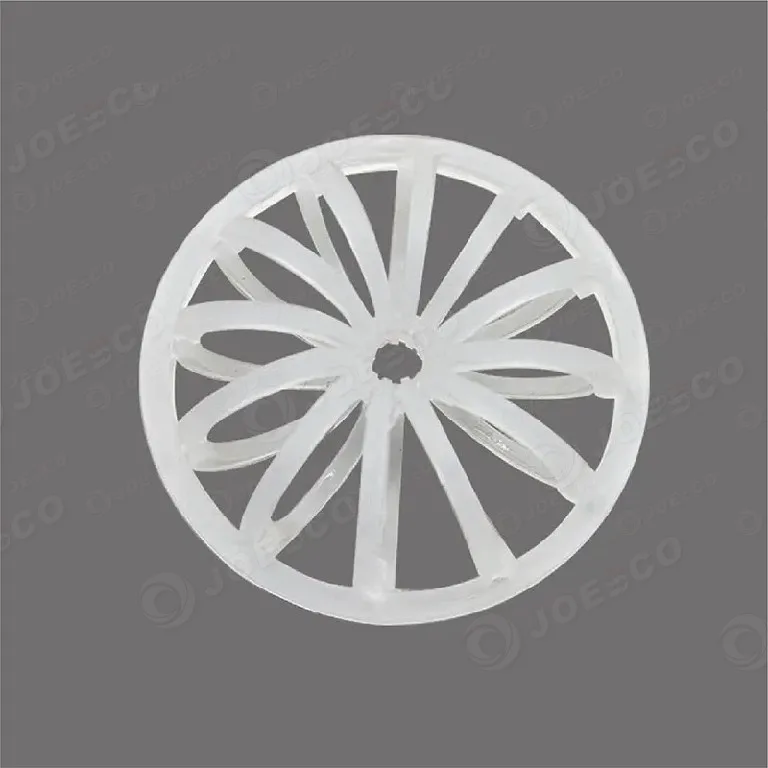
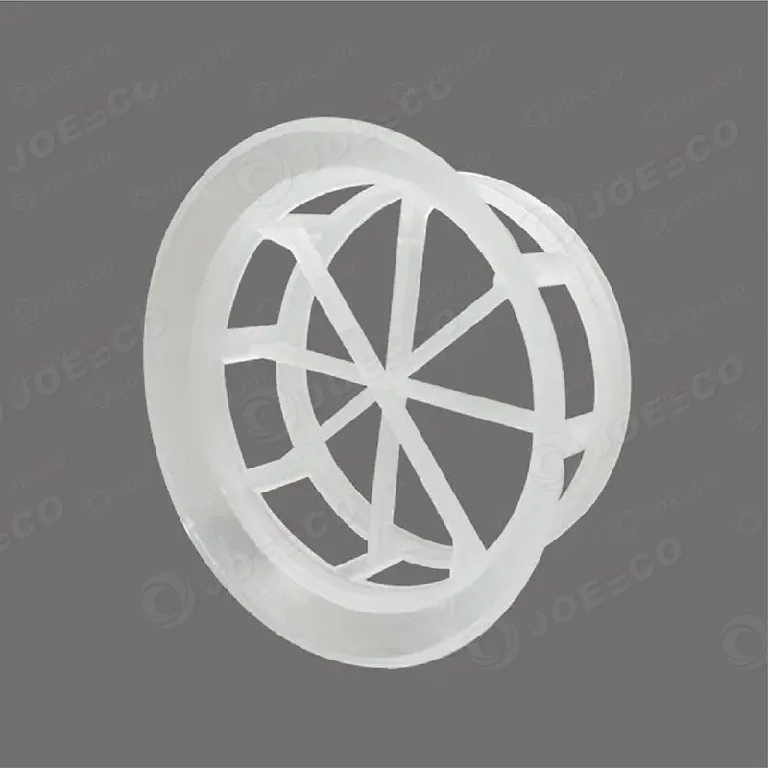
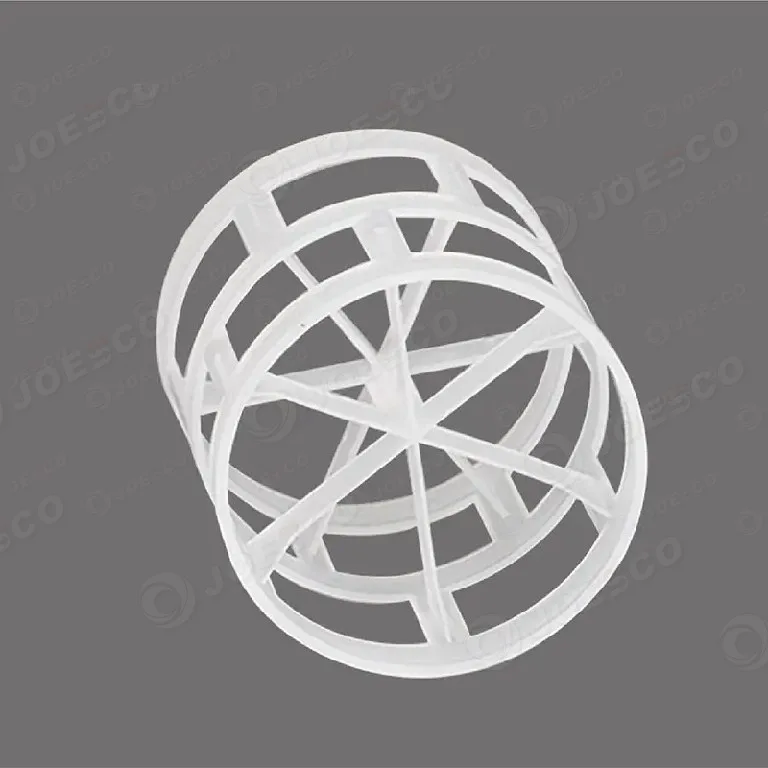
Random packing consists of individual pieces that are randomly filled inside towers and columns to create maximum surface area for vapor-liquid contact. These specially designed elements promote efficient mass and heat transfer in processes like distillation, absorption, and stripping.
We offer three primary material types to suit various process conditions:
  • ​Metal Random Packing:​​ Ideal for high-temperature applications and offering excellent strength and corrosion resistance
  • ​Plastic Random Packing:​​ Cost-effective solution for corrosive environments and moderate temperature operations
  • ​Ceramic Random Packing:​​ Superior thermal stability and corrosion resistance for demanding chemical processes
Key advantages of random packing include:
  • Enhanced mass transfer efficiency through optimized geometry designs
  • Reduced pressure drop compared to traditional tray systems
  • High void fraction allowing for increased capacity
  • Excellent turndown capability for flexible operation
  • Simple installation and maintenance accessibility
Typical applications span across industries including:
  • Chemical processing and petrochemical refining
  • Gas treatment and purification systems
  • Environmental air pollution control
  • Pharmaceutical and specialty chemical manufacturing
  • Water treatment and purification processes
Our random packing products are engineered to deliver reliable performance, whether you’re designing new columns or retrofitting existing systems for improved efficiency.
Triangular Spiral Packing
Metal Random Packings

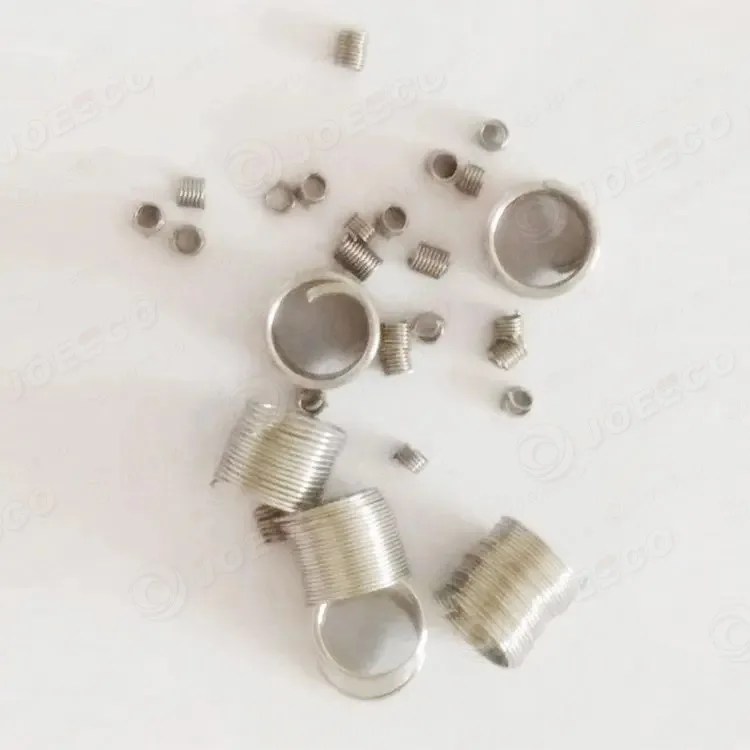
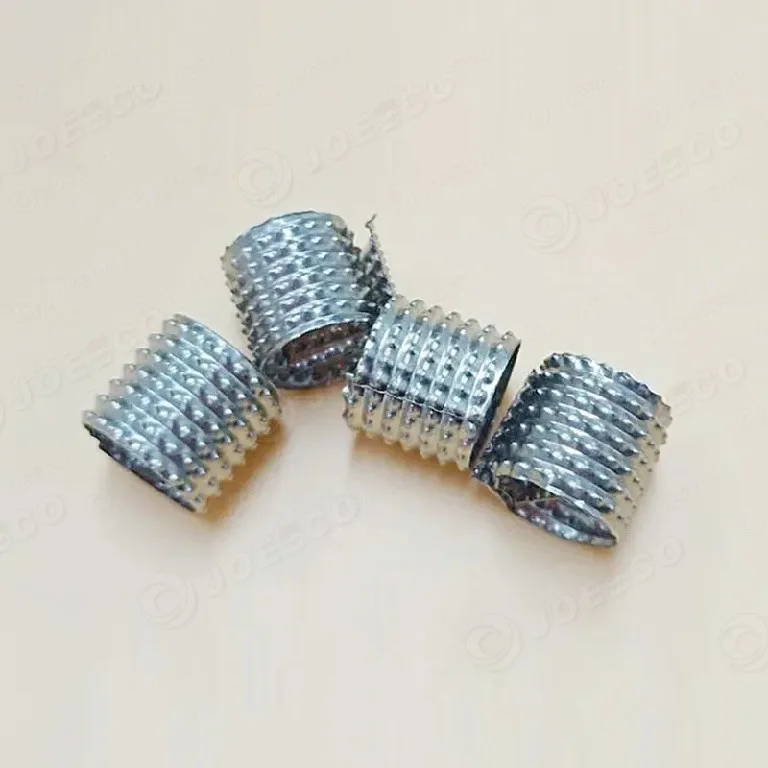
Triangular Spiral Packing – Precision Fenske Design for High-Resolution Separation​​

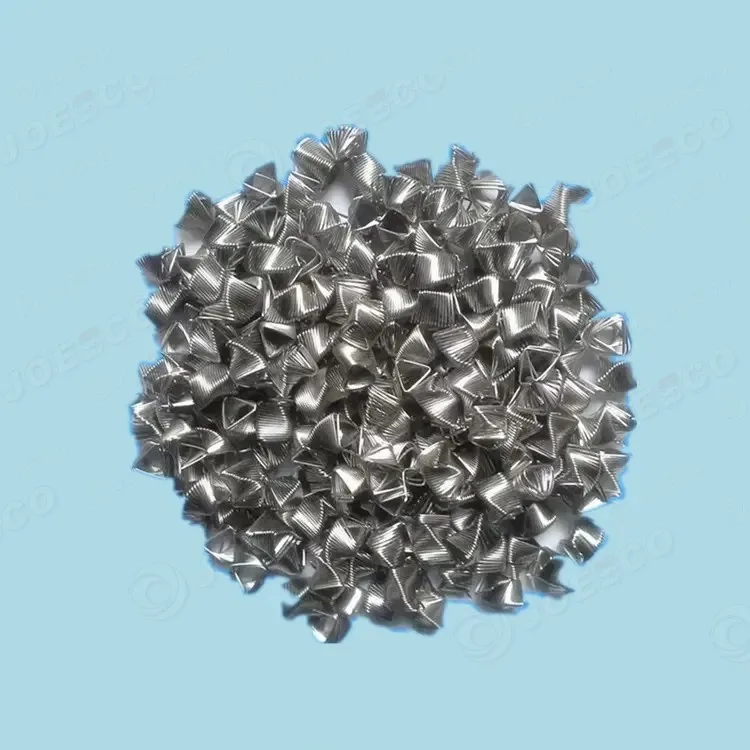
​ ​​Triangular Spiral Packing – Where Geometry Meets Efficiency​​ When you need to push the limits of separation efficiency in laboratory or specialized industrial applications, triangular spiral packing delivers a distinct advantage. As a member of the Fenske spiral family, this packing replaces conventional circular coils with a triangular wire winding pattern. This simple geometric shift creates more defined flow paths and increased surface contact—giving you sharper separations, even when dealing with challenging mixtures like isotopes. We appreciate designs that use smart geometry to solve practical problems. The triangular shape provides more interaction points per spiral turn compared to standard springs, leading to better vapor-liquid distribution. While it does come with a slightly higher pressure drop, the gain in separation performance is often well worth the trade-off in high-value applications
Read More »
Stainless-steel-spring-packing
Metal Random Packings

Stainless Steel Spring Packing – Precision Fenske Spiral for Lab Distillation​​

​​Stainless Steel Spring Packing – Lab-Scale Efficiency, Unmatched Precision​​ When every fraction of a percent purity matters in your laboratory distillation, stainless steel spring packing—also known as Fenske spiral packing—delivers the control you need. Originally developed by M.R. Fenske in 1936, this elegantly simple design uses tightly wound metal coils to create exceptional surface area and capillary action. The result? Extremely thin, evenly distributed liquid films that boost separation efficiency in small-diameter columns. We appreciate designs that solve big problems with simple geometry. These spiral packings work by turning the whole surface into a microscale wetting engine. Liquid spreads rapidly across the fine wire structure, while vapor flows freely between coils. This makes them ideal for experimental setups, pilot studies, and high-value chemical purification where consistency and reproducibility are non-negotiable.

Read More »
SS304 SS316 Stainless Steel Dixon Ring (1)
Metal Random Packings

Stainless Steel Dixon Ring (Theta Ring) Packing – Precision Separation for Lab & High-Purity Processes​​

​​Dixon Ring Packing – Precision in Small-Scale Separation​​ When your separation process demands high purity and precise control on a small scale, Dixon rings (also called Theta rings) deliver unmatched efficiency. Originally developed by Dr. Dixon in 1947, these wire mesh packings remain a top choice for laboratory distillation, pilot plants, and high-value chemical purification. Their balanced design ensures excellent mass transfer with minimal pressure drop – making them ideal for sensitive separations where every theoretical plate counts. We appreciate packings that perform under precision conditions. Dixon rings work because their uniform wire mesh structure provides complete surface wetting and rapid film formation. This means faster equilibration and sharper separations, even with complex mixtures like isotopes or high-purity intermediates. ​​Clear Specifications – Easy Sizing​​ Size (D×H mm) Mesh Type Surface

Read More »
Plastic Tellerette Rings
Plastic Random Packings

Plastic Tellerette Rings – High-Capacity, Low-Pressure Drop Packing for Gas Scrubbing​​

​​Plastic Tellerette Rings – Reliable Performance in Demanding Environments​​ When you need a packing that can handle high gas loads without clogging or excessive pressure drop, plastic Tellerette rings deliver consistent results. Their unique spiral-like design creates an open structure that promotes uniform gas-liquid contact while resisting fouling—making them a go-to choice for scrubbing, purification, and chemical processing duties. We appreciate designs that balance performance with practicality. Tellerette rings work by guiding fluids through a continuous, open pathway. This reduces flow resistance and prevents solids buildup, which means less downtime and more stable operation in tough applications like exhaust gas treatment or alkali chloride processes. ​​Clear Specifications – Easy Sizing​​ Model Dimensions (mm) Surface Area (m²/m³) Void Fraction (%) S 47×19 185 88 M 73×27.5 127 89 L 95×37 94

Read More »
Plastic Cascade Mini Rings
Plastic Random Packings

Plastic Cascade Mini Rings – Compact Design for Efficient Gas-Liquid Contact​​

​​Plastic Cascade Mini Rings – Maximizing Efficiency in Compact Spaces​​ When tower space is limited but performance can’t be compromised, plastic cascade mini rings offer a smart solution. Their unique low-profile design—where diameter is about three times the height—creates a stable, evenly distributed bed that enhances gas-liquid interaction without taking up excess volume. We often recommend these rings for applications where fouling is a concern or where a smaller tower footprint is desired, without sacrificing mass transfer efficiency. What makes these mini rings so effective? Their compact cylindrical shape with internal braces encourages uniform flow distribution, reduces channeling, and minimizes pressure drop. This makes them ideal for continuous-duty systems in gas treatment, chemical processing, and environmental scrubbing where reliability matters. ​​Clear Specifications – Easy Selection​​ Model Dimensions (mm) Surface Area

Read More »
Plastic Pall Rings
Plastic Random Packings

Plastic Pall Rings – Efficient & Cost-Effective Tower Packing for Mass Transfer​​

​​Plastic Pall Rings – Reliable Performance for Everyday Processes​​ When you need a packing that balances performance, cost, and durability, plastic pall rings are a proven choice. Their unique design—featuring large side windows and internal crossbars—creates an open structure that promotes excellent vapor-liquid contact without high pressure drop. We often recommend them as a go-to solution for standard absorption, stripping, and treatment tasks where corrosion resistance and economical operation matter. What makes these rings work so well? The windows allow fluids to pass through freely, while the crossbars help break up liquid flow into thin films. This means better distribution and higher efficiency compared to old-style solid rings. Plus, plastic construction gives you solid chemical resistance at a fraction of the metal or ceramic cost. ​​Clear Specifications – Easy Sizing​​

Read More »
Scroll to Top