On August 12, passengers at Malta International Airport were waiting for flights that had already been affected by volcanic ash from Mount Etna.
In Sicily, the situation was more serious. Catania Airport had extended its closure several times as the volcano continued to erupt.
Fuel facilities, technical equipment, communications systems, emergency installations, and restricted operational areas do not become unimportant simply because aircraft are temporarily grounded.
Volcanic Events Create More Than One Risk
An airport dealing with a major disruption may also face fire hazards, restricted access, emergency vehicle movements, temporary facilities, and increased public activity around affected areas.
That is why protection planning should not rely on a single type of perimeter fence.
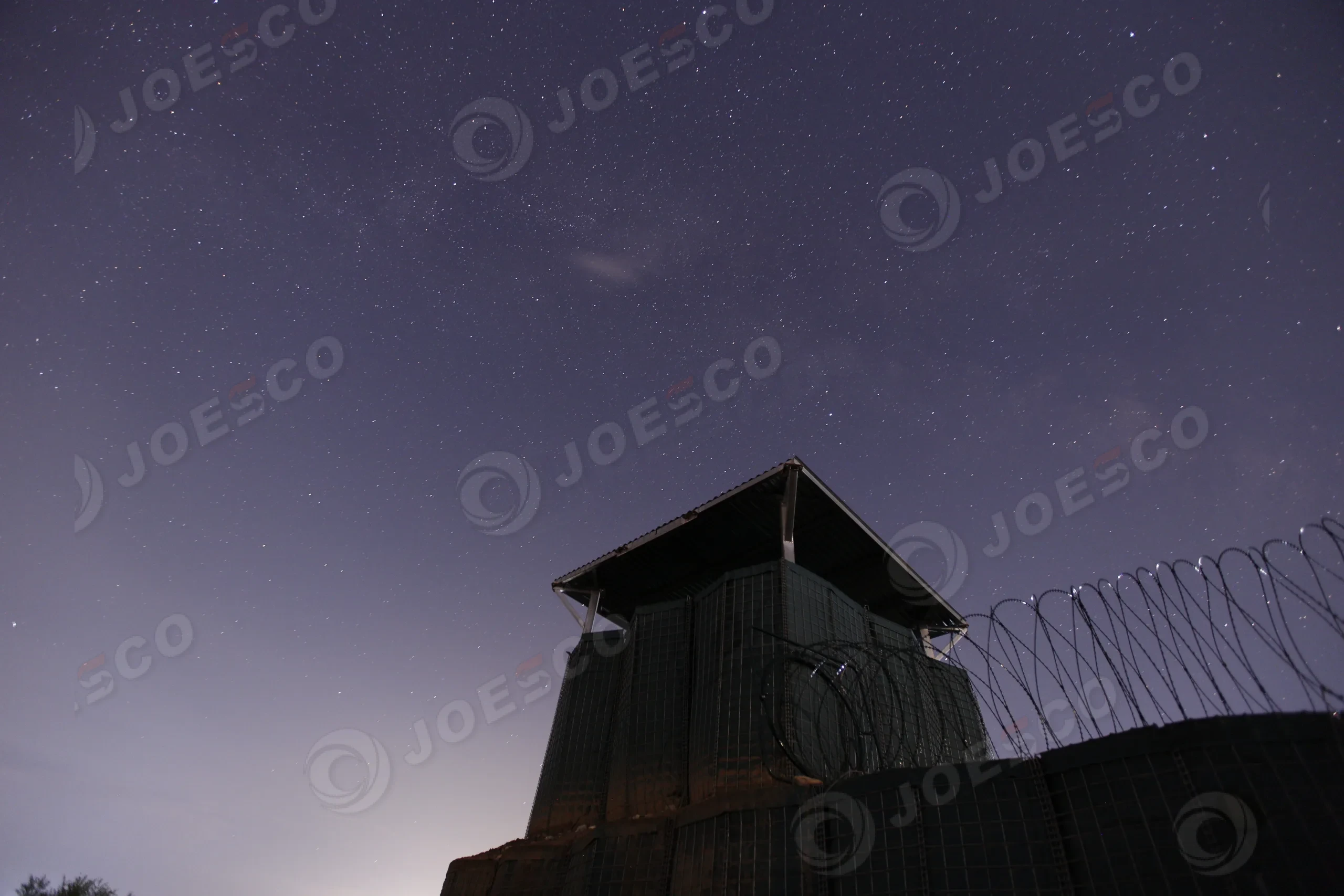
For selected high-risk locations, a military barrier can provide an additional physical protection layer.
Why Consider a Military Barrier?
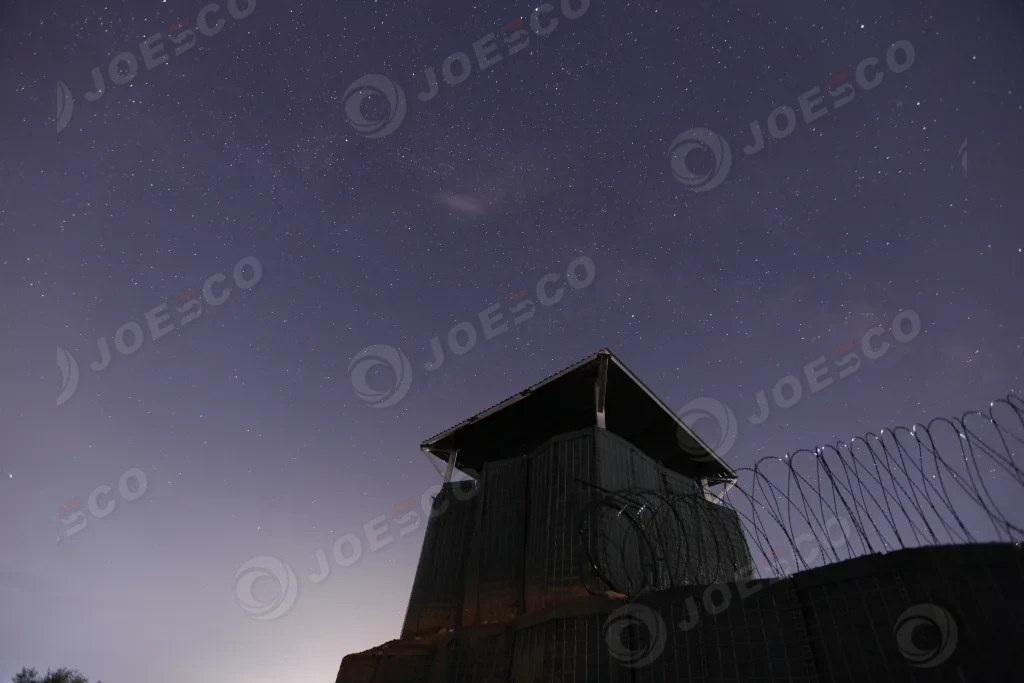
Military Barriers are modular welded-wire barriers that can be configured and filled according to project requirements.
Depending on the specified system, they can be used for applications involving:
- fire protection
- blast protection
- ballistic protection
- critical infrastructure security
This makes them relevant to facilities where ordinary airport fencing provides a boundary but a stronger protective layer is required.
They do not protect an airport from volcanic ash or stop a volcanic eruption. Their role is to protect people, equipment, and critical areas from other physical risks that may exist during an emergency.
They can, however, identify which facilities would require additional protection if normal operations were suddenly interrupted.
For those locations, a military barrier can be considered as part of a layered security plan alongside airport security fencing, access control, surveillance, and emergency procedures.