In France, the severe wildfire affecting Lacanau forced more than 220,000 people to evacuate. For industrial facilities, warehouses, infrastructure sites, and other properties affected by such disasters, recovery creates a different challenge:
Who should be allowed back in?
Afterward, the same site may contain:
Damaged buildings
Burned equipment
Temporary storage areas
Debris
Restricted work zones
Employees and contractors may still need access, while unauthorized visitors need to stay outside.
Not Every Fence Needs to Be Replaced
Some sections may remain usable even when the security requirements have changed.
Instead of replacing everything, property managers can identify the sections that require additional protection.
This can be particularly useful around:
Industrial facilities — where equipment and materials remain on site.
Warehouses — where damaged or stored goods require controlled access.
Restricted areas — where inspection or reconstruction is still underway.
Recovery Creates New Security Zones
A post-wildfire property may contain several levels of access.
Open area → normal operation.
Restricted area → authorized personnel only.
Damaged area → access prohibited until inspection.
The perimeter needs to make these boundaries clear.
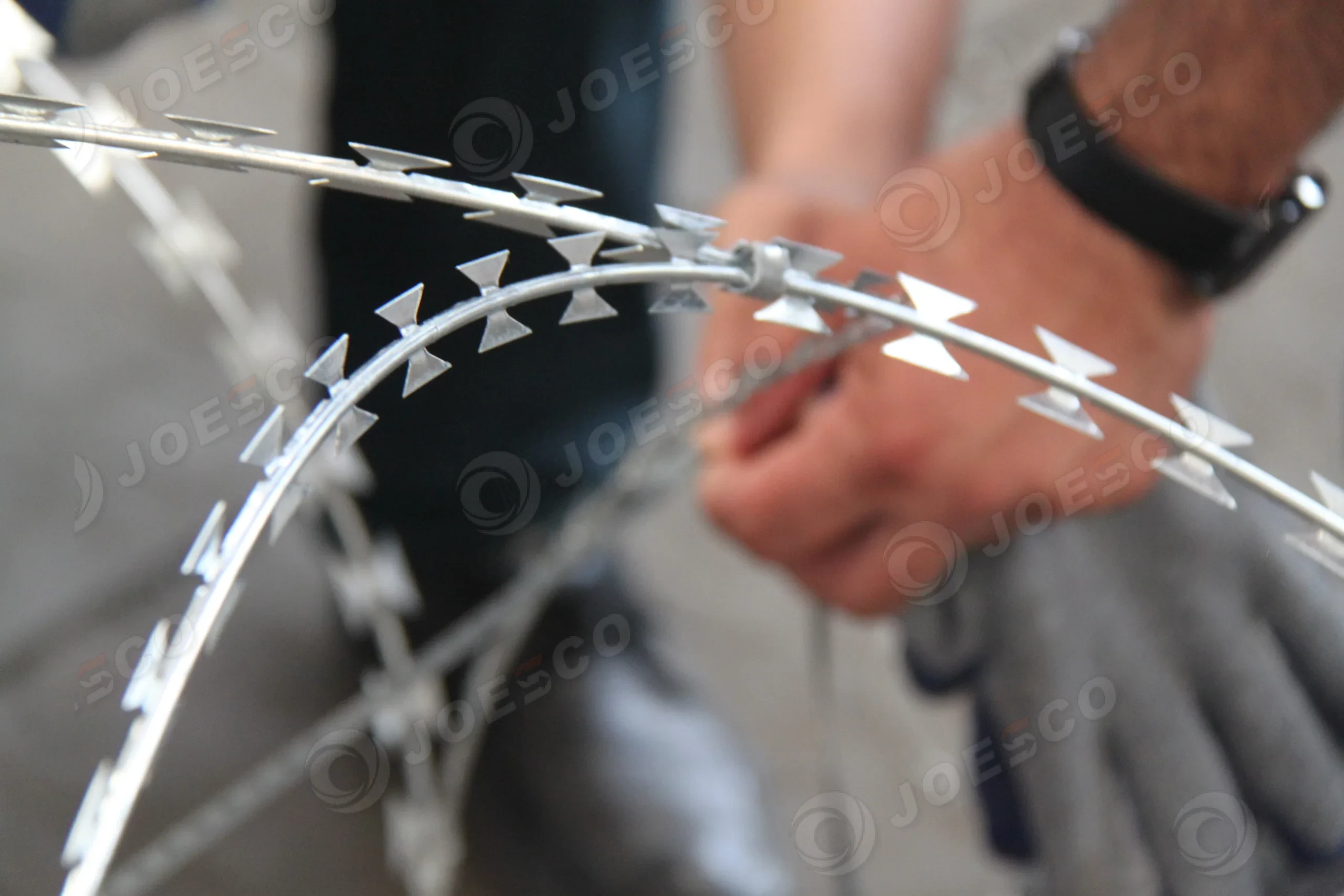
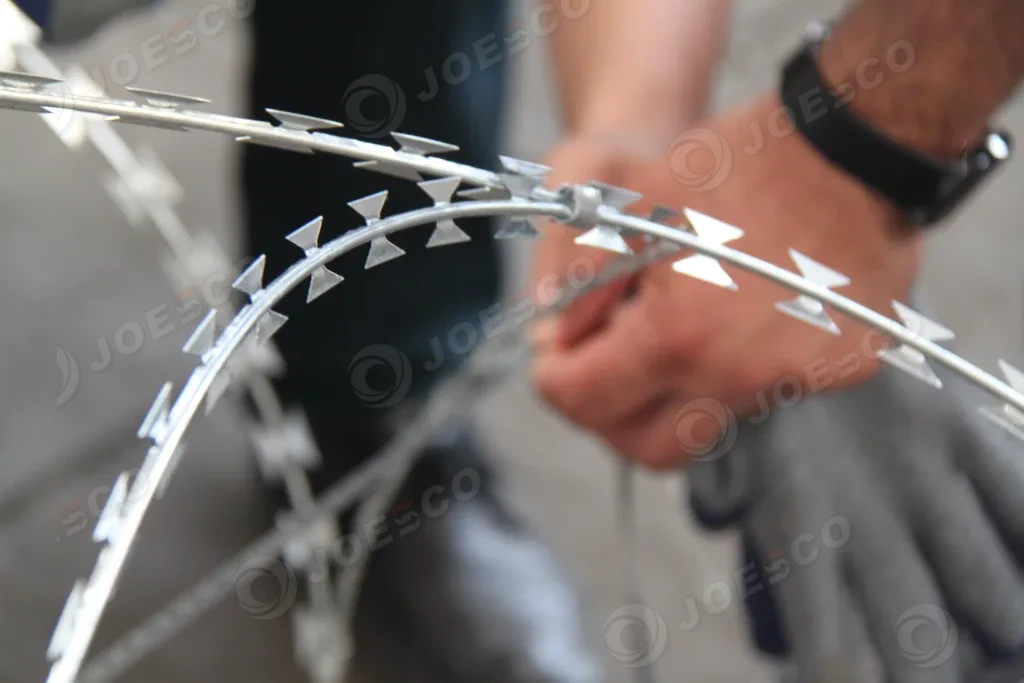
Chain Link Mesh can provide the main fence, while Barbed Wire can reinforce sections requiring additional access deterrence.
Security Continues After Cleanup
Wildfire recovery can involve inspection, debris removal, equipment replacement, and rebuilding.
During this period, the property may remain partially closed.That is why post-wildfire security should be considered part of the recovery plan.
Barbed Wire does not prevent wildfires. Its role begins after the emergency, helping industrial and restricted properties maintain controlled access while normal operations are gradually restored.