Matching Environmental Demands to Security Needs
Not all aviation boundaries face the same threats. A cargo hub in a freezing, high-wind region requires an entirely different defense profile compared to a coastal passenger terminal battling salt spray. To simplify decision-making, facility engineers rely on comparative evaluation metrics.
Comparative Evaluation Matrix
1.Standard Chain-Link
Anti-Climb Rating:Low (Easy handholds)
Corrosion Resistance:Poor (Rusts within years)
FOD Risk Profile:High (Frays easily)
Lifespan Expectancy:5 to 8 Years
2.Expanded Metal Barriers
Anti-Climb Rating:Moderate
Corrosion Resistance:Moderate
FOD Risk:Low
Lifespan Expectancy:10 to 15 Years
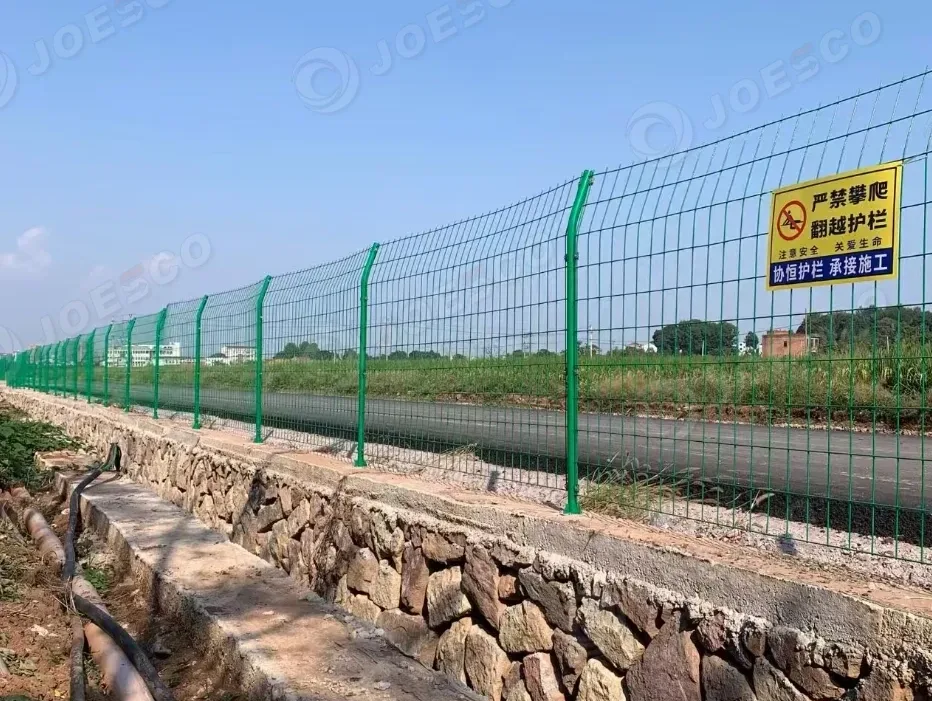
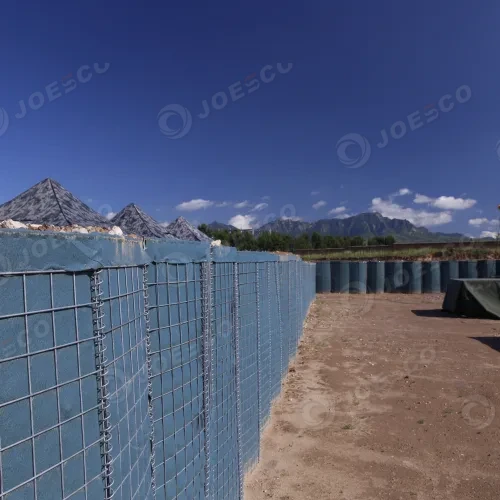
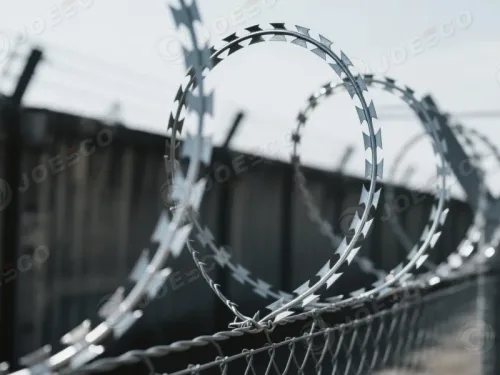
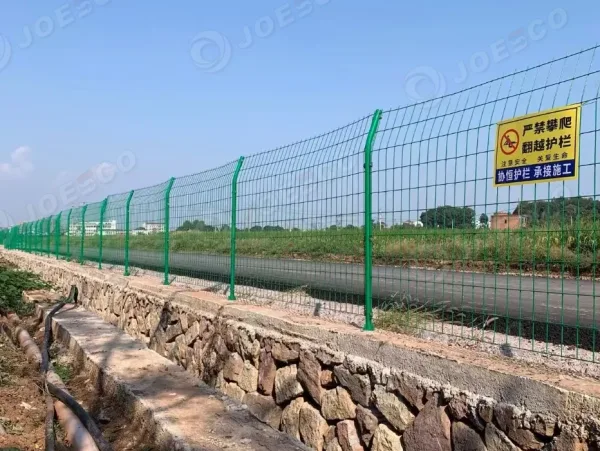
3.Advanced airport fencing
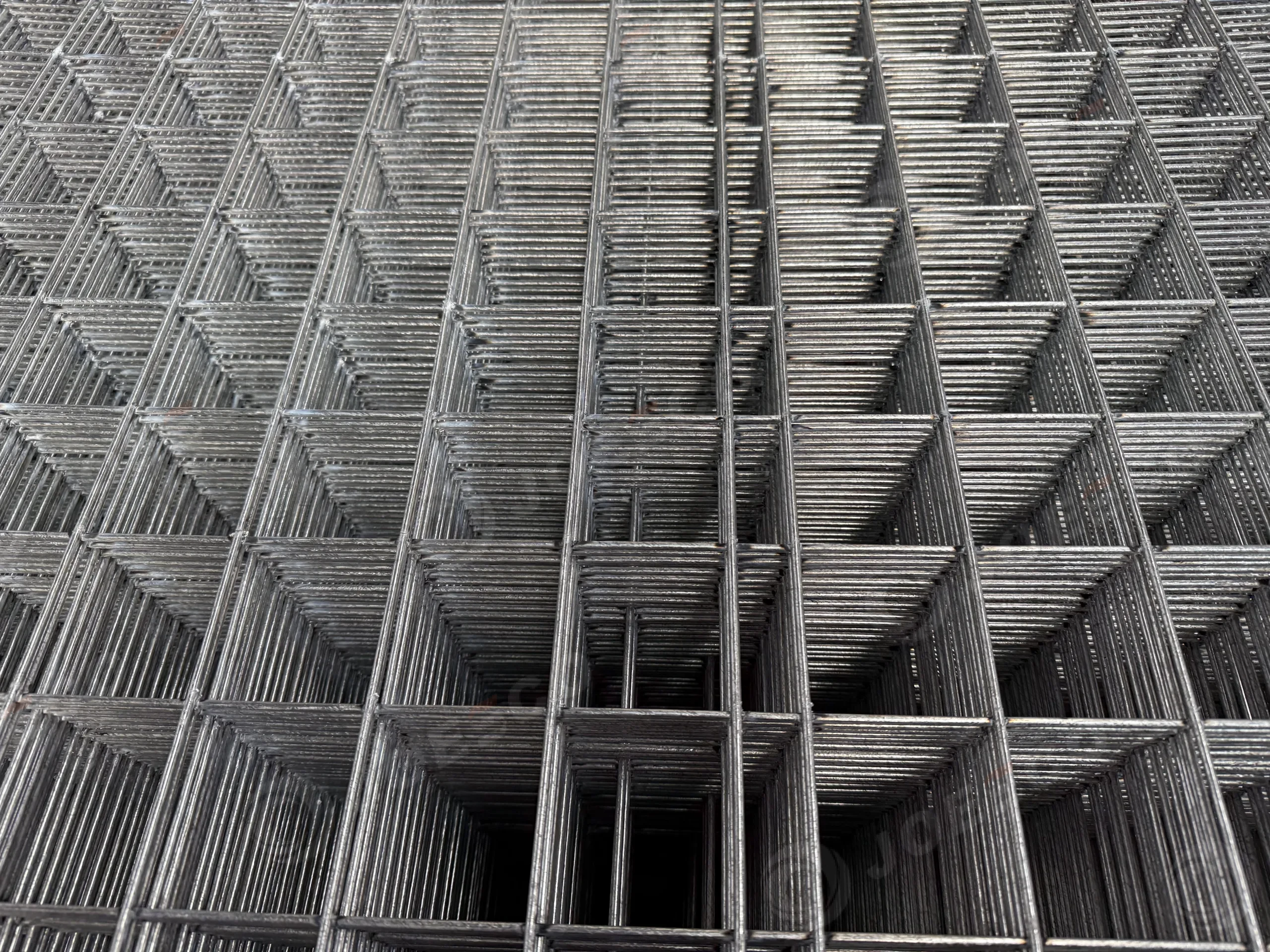
Anti-Climb Rating:Maximum (Finger-proof mesh)
Corrosion Resistance:Superior (Duplex coated)
FOD Risk Profile:Zero (Encapsulated wire)
Lifespan Expectancy:25+ Maintenance-Free Years
Making the Final Selection
Investing in multi-layered defense configurations prevents recurring vulnerabilities across high-risk sectors.
When evaluating long-term operational integrity, upgrading to specialized airport fencing offers unmatched structural stability, keeping critical airside zones safe from both human and environmental hazards.