The Work Starts After the Water Recedes
The September 2026 incident at Exxon Mobil’s Joliet refinery is a good example. Reuters reported that floodwater overwhelmed a pump and that the refinery remained offline during the disruption, while a containment boom was deployed for cleanup.
Once the water level drops, maintenance teams still have to inspect equipment, clear affected areas and restore operations.
The priority becomes keeping the recovery area workable while preventing another flow of water from entering it.
A Temporary Barrier Around the Recovery Zone
The equipment is being inspected, electrical work is underway nearby, and the surrounding ground remains wet.This is one situation where Flood Control Barriers can be useful.
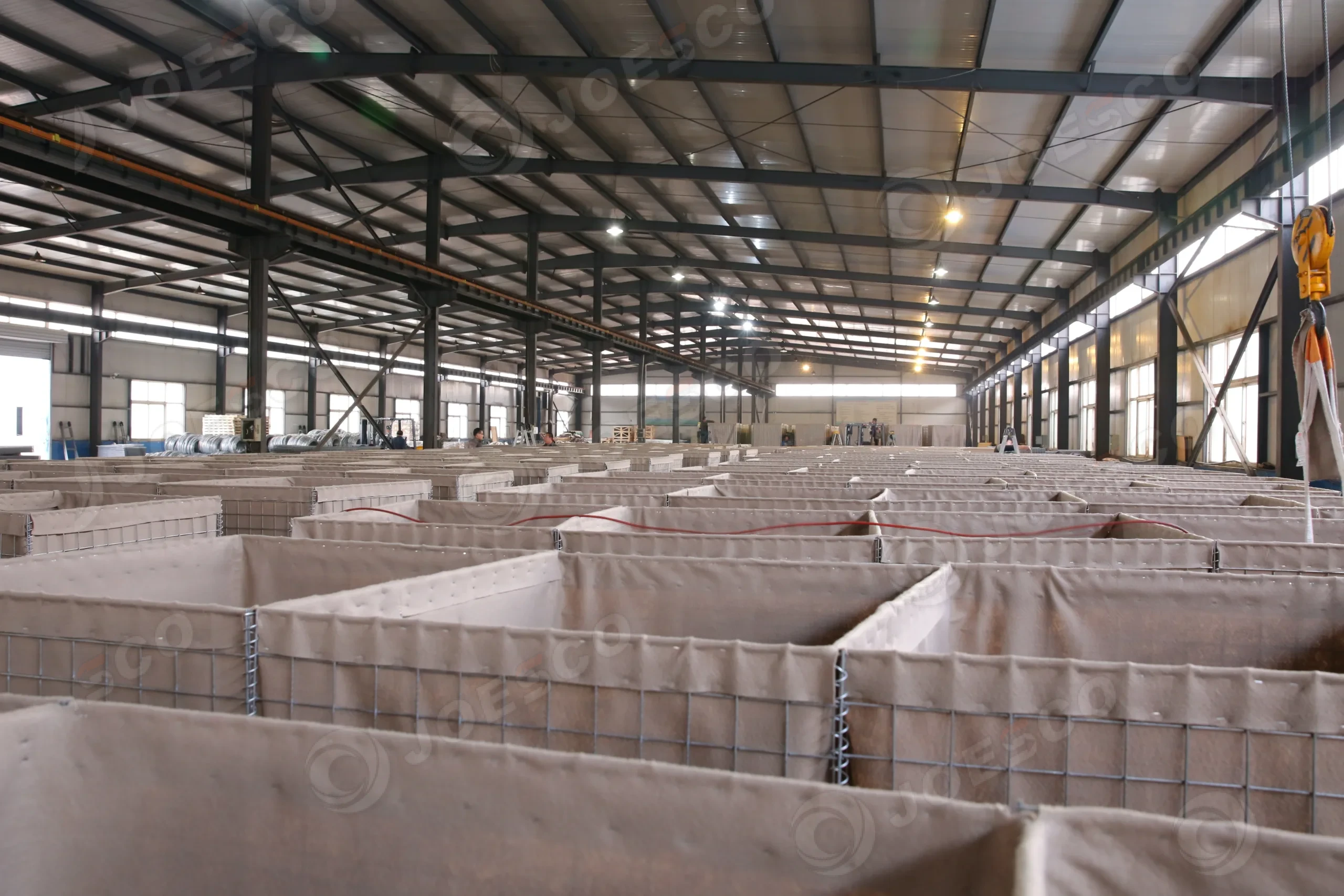
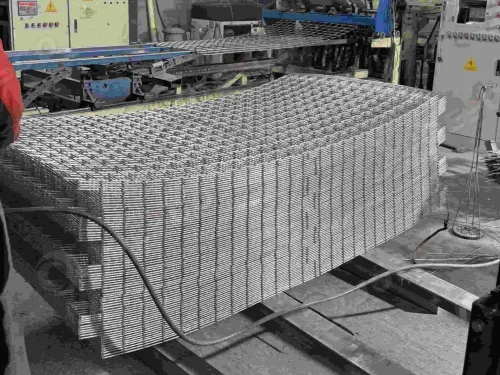
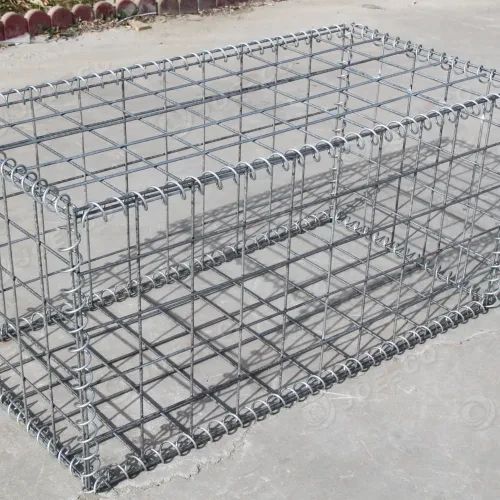
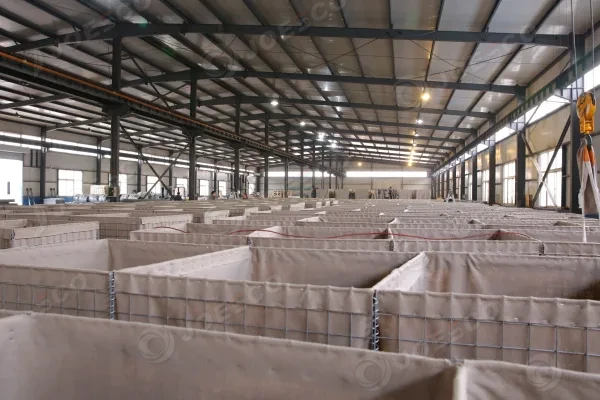
A barrier can be arranged around the working area to help separate it from additional surface water or runoff.The barrier uses connected steel mesh sections and a geotextile liner. Sand or soil can be added as filling material according to the site situation.
The same approach can be used for:
1.Equipment under inspection
Create a defined protection zone around machinery that cannot yet be moved.
2.Temporary repair areas
Keep water away from sections where crews are working to restore equipment or infrastructure.
3.Access routes
Protect selected sections needed by maintenance vehicles and emergency personnel.
4.Recovered storage areas
Provide temporary protection while materials and equipment are being relocated or assessed.
Recovery Sites Keep Changing
An industrial site rarely stays in one configuration during recovery.
That is why a removable, modular protection system can be useful during recovery work. Sections can be installed where they are needed and removed when the area returns to normal operation.
If your facility needs Flood Control Barriers for post-flood cleanup, equipment recovery or temporary repair zones, contact us with your site conditions and required protection area.