When an airport enters emergency mode, attention naturally goes to aircraft and passengers.But behind the scenes, another problem quickly appears:
where do all the equipment and materials go?
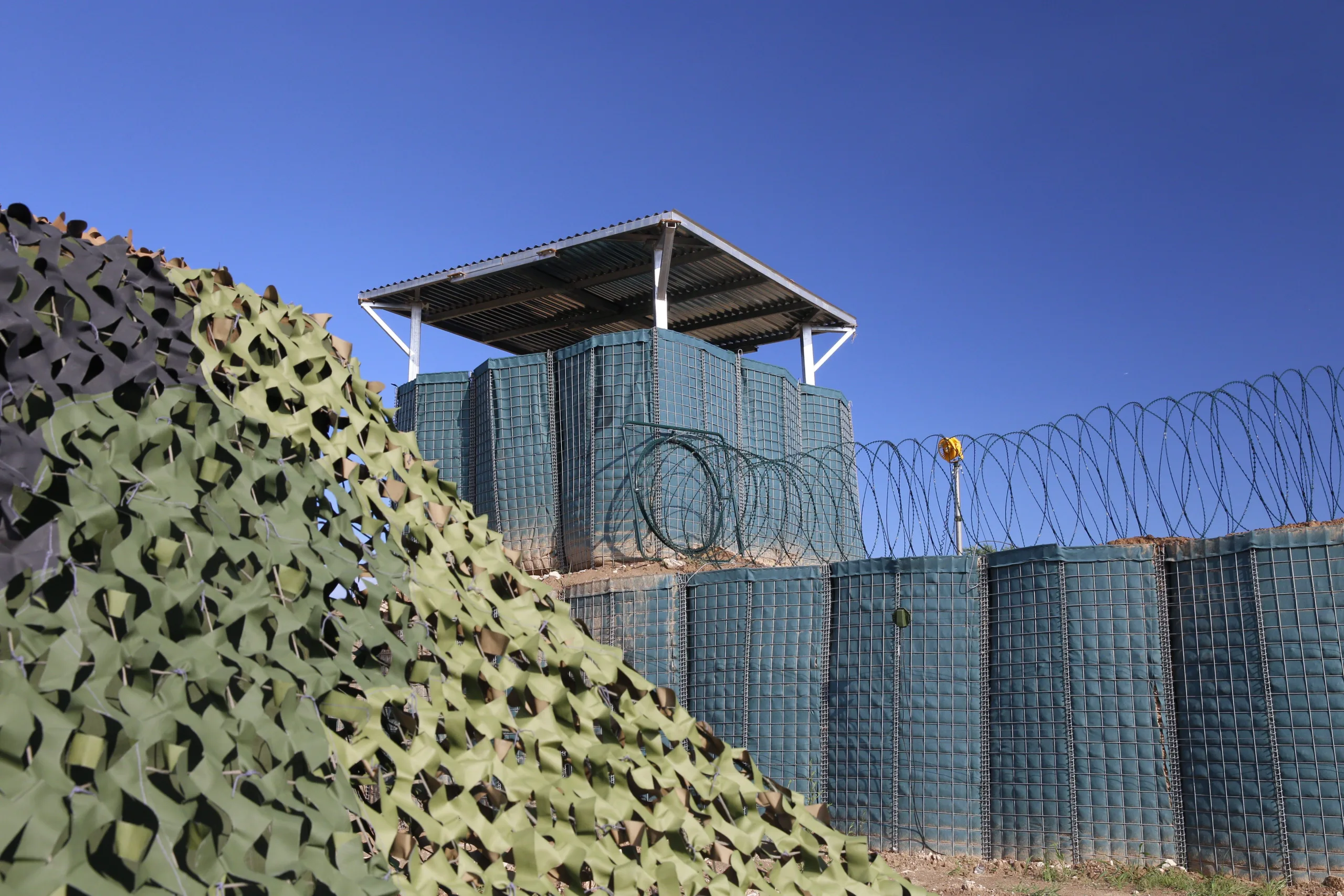
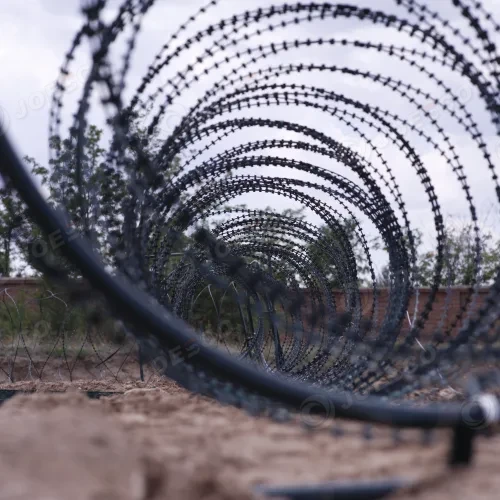
These areas need organization and access control, which is where Military Barriers for airport equipment protection can be considered.
Create a Dedicated Equipment Area
Rather than leaving temporarily positioned equipment mixed with general vehicle traffic, operators can create a dedicated enclosure around the storage or maintenance area.
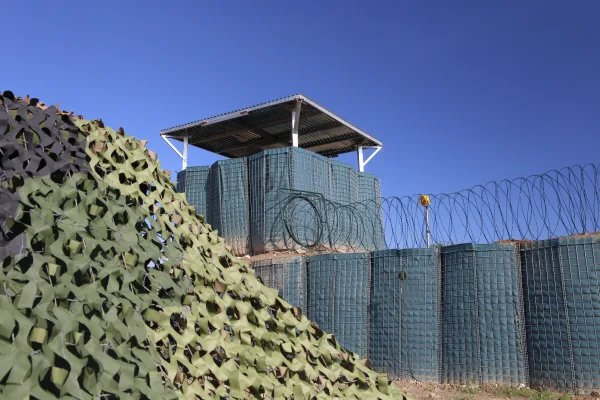
Military Barriers can define the perimeter while still allowing authorized personnel to enter through designated access points.This arrangement can be useful for:
- Ground support equipment
- Maintenance machinery
- Repair materials
- Tools and temporary supplies
- Equipment awaiting inspection or relocation
Protect Materials During Longer Repairs
Some emergencies are resolved within hours. Others develop into projects lasting days or weeks.
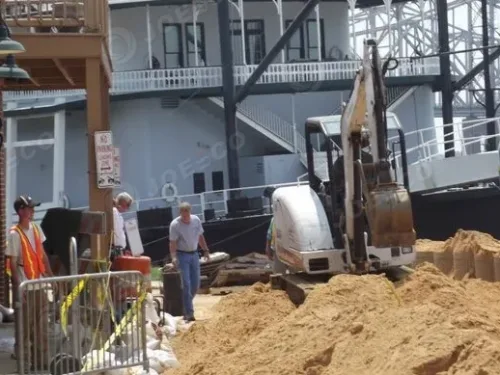
During longer repair work, construction materials and maintenance supplies may accumulate around the affected area.
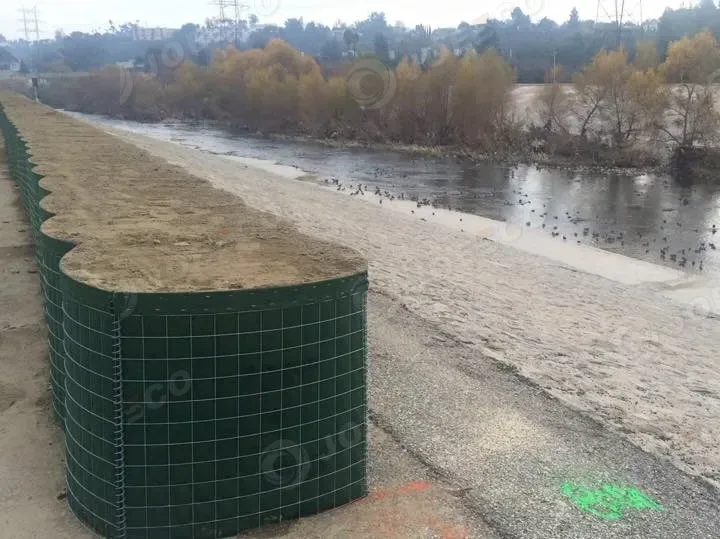
Because Military Barriers can be configured into different perimeter shapes, the enclosure can be designed around the actual storage area instead of forcing the site to fit a fixed fence panel arrangement.
Useful Around Maintenance Operations
A maintenance team may need to work around a damaged facility while vehicles continue using nearby routes. Establishing a physical boundary helps define the working area and reduces unnecessary movement through the zone.
The barrier structure consists of welded steel panels joined with spiral spring wire. A 2 mm polypropylene geotextile liner holds the selected fill material, while galvanized or zinc-aluminum coatings provide options for outdoor applications.
For airports responding to volcanic ash, flooding, severe weather, infrastructure damage or major maintenance work, a clearly defined equipment area can make the recovery site easier to manage while protecting the assets needed to restore normal operations.