The recent incident at Portsmouth International Airport began with a vehicle fleeing police and ended after it crossed the airport perimeter and entered an aircraft parking area. The vehicle broke through the fence before hitting a tractor and a parked aircraft.
A practical consideration:
does every section of an airport perimeter need exactly the same fence?
In many projects, the better approach is to configure the fencing according to the conditions of each area.
Different Areas, Different Fence Configurations
A practical airport perimeter security fencing plan can use:
1.Roadside areas — stronger rigid fencing.
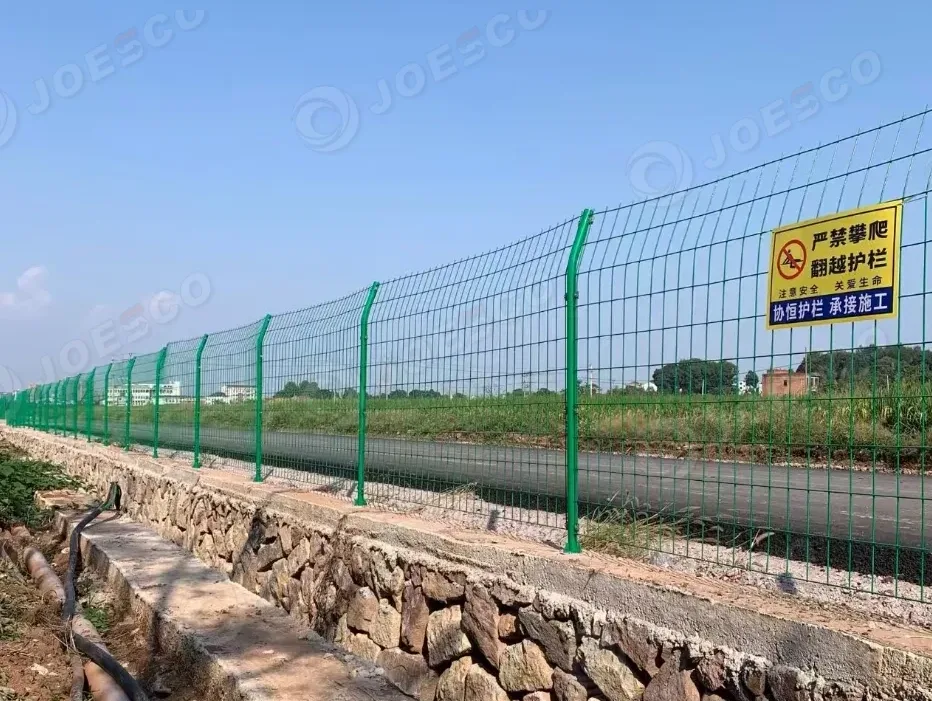
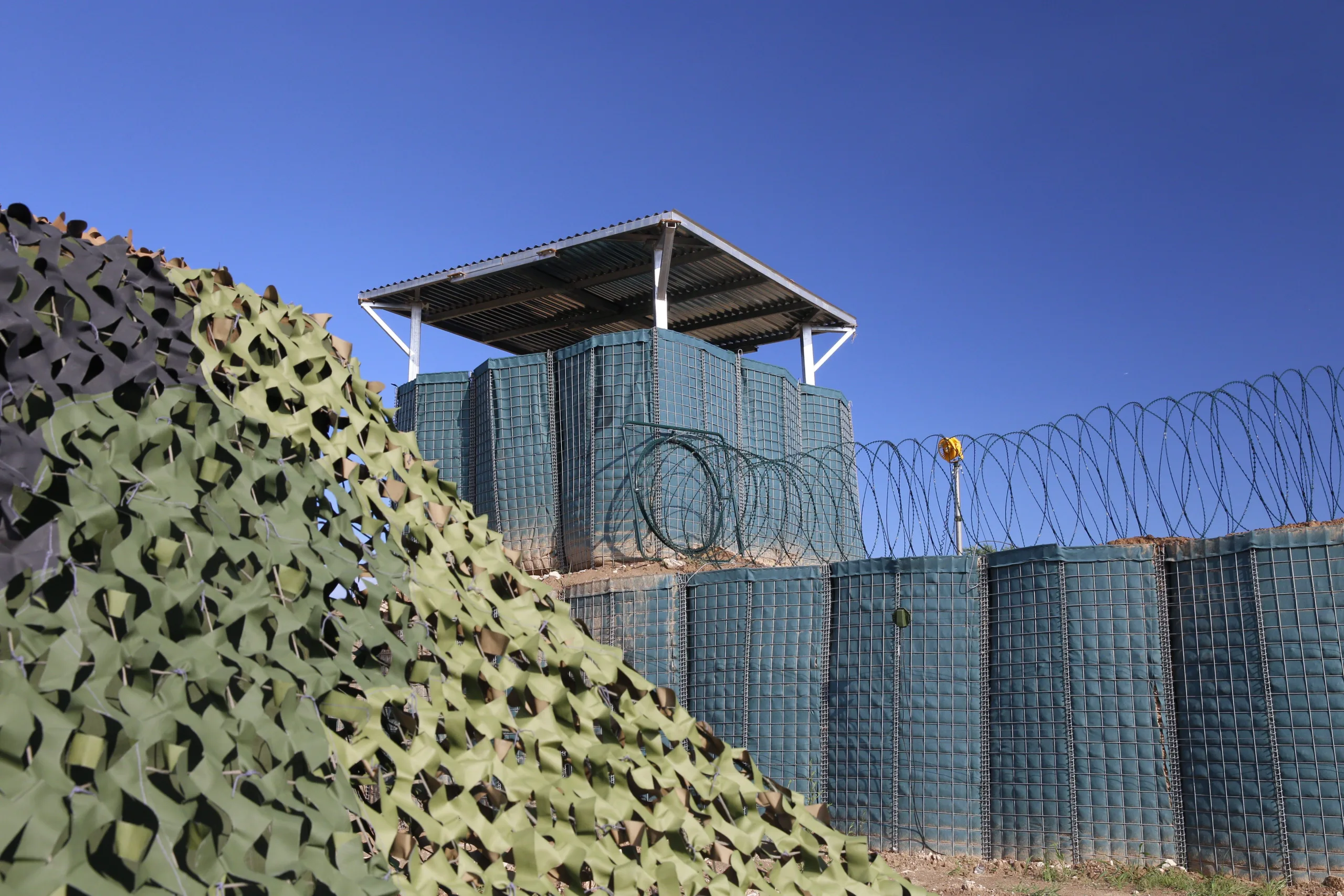
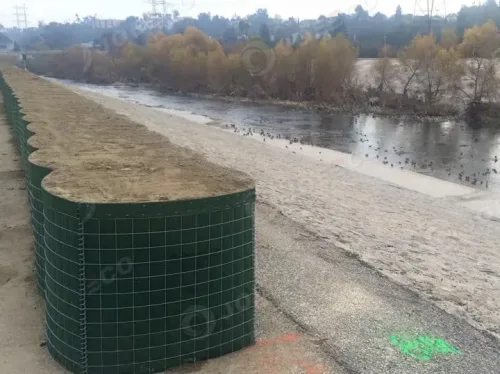
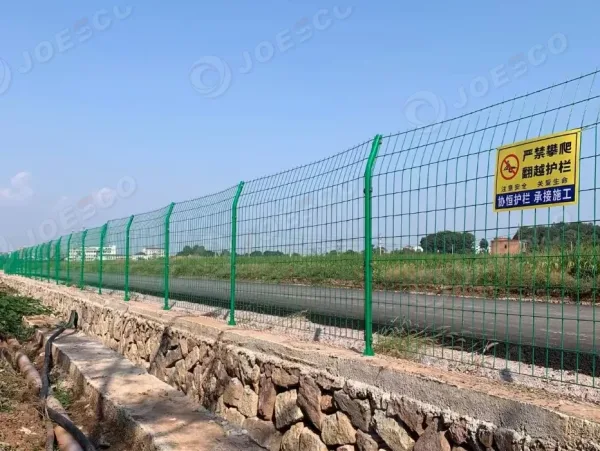
Where vehicles can approach the boundary, welded mesh panels with suitable wire and post configurations can provide a more robust perimeter structure.
2.Restricted areas — anti-climb fencing.
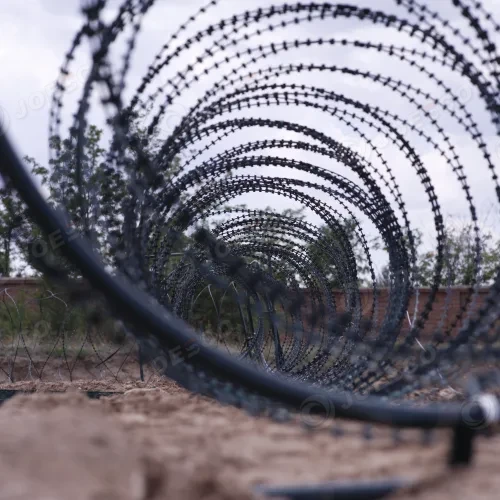
For sections where preventing unauthorized pedestrian access is the priority, smaller mesh openings and rigid welded panels can make climbing more difficult while preserving visibility.
3.Service entrances — matching security gates.
Where airport vehicles need regular access, the gate should be designed as part of the perimeter system rather than treated as a separate product.
This allows the airport to concentrate higher-security configurations where they are actually needed.
Customized for the Airport
This type of planning also makes sense for airports with long boundaries. Instead of forcing every section into one standard configuration, the fence can be adjusted according to location, access requirements, and security priorities.
We can customize airport perimeter security fencing by panel height, mesh opening, wire diameter, post configuration, surface treatment, and gate design.
For existing airports, we can also supply matching sections for extensions or perimeter upgrades.
The result is a coordinated fence system with different configurations where necessary, while keeping the overall appearance and structure consistent.