Welded Wire Mesh — The Warehouse Manager Had One Simple Request: “We Need A Fence That Stays Reliable.”
With more equipment, more inventory, and more daily operations, the company needed to divide storage areas and strengthen perimeter protection.
The first fencing system was installed quickly.However, after several months, some sections required frequent tightening. Several damaged areas needed repair after equipment movement near the fence line.
The warehouse manager explained:
“The fence was not failing because of one major accident. It was slowly becoming a daily maintenance problem.”
The project team investigated the situation and found that the original system was not designed for a busy industrial environment.
The warehouse needed a stronger structure that could handle:
Frequent activity around the fence
Accidental contact from equipment
Long-term outdoor exposure
Continuous daily operation
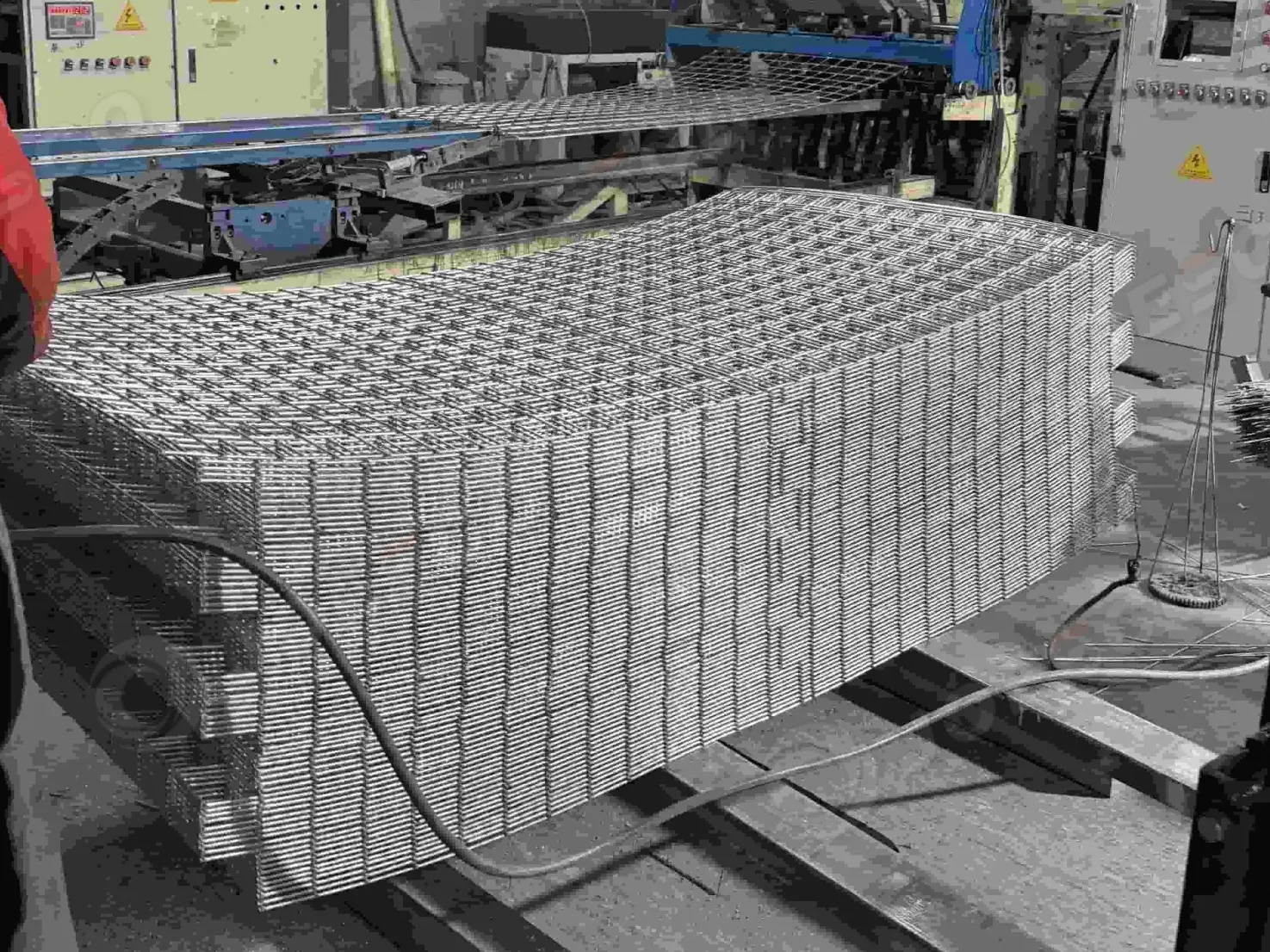
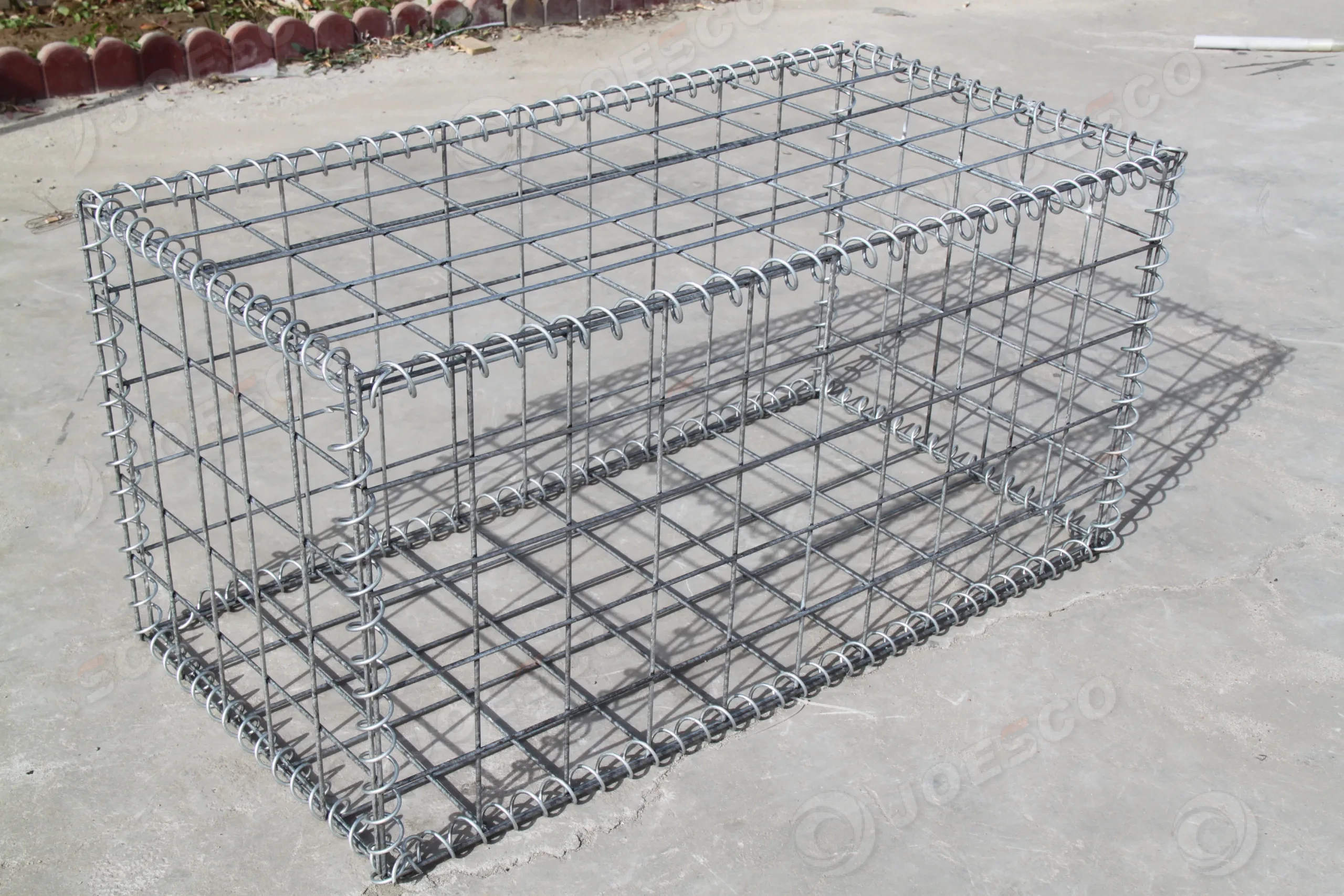
The new system was designed according to the actual application:
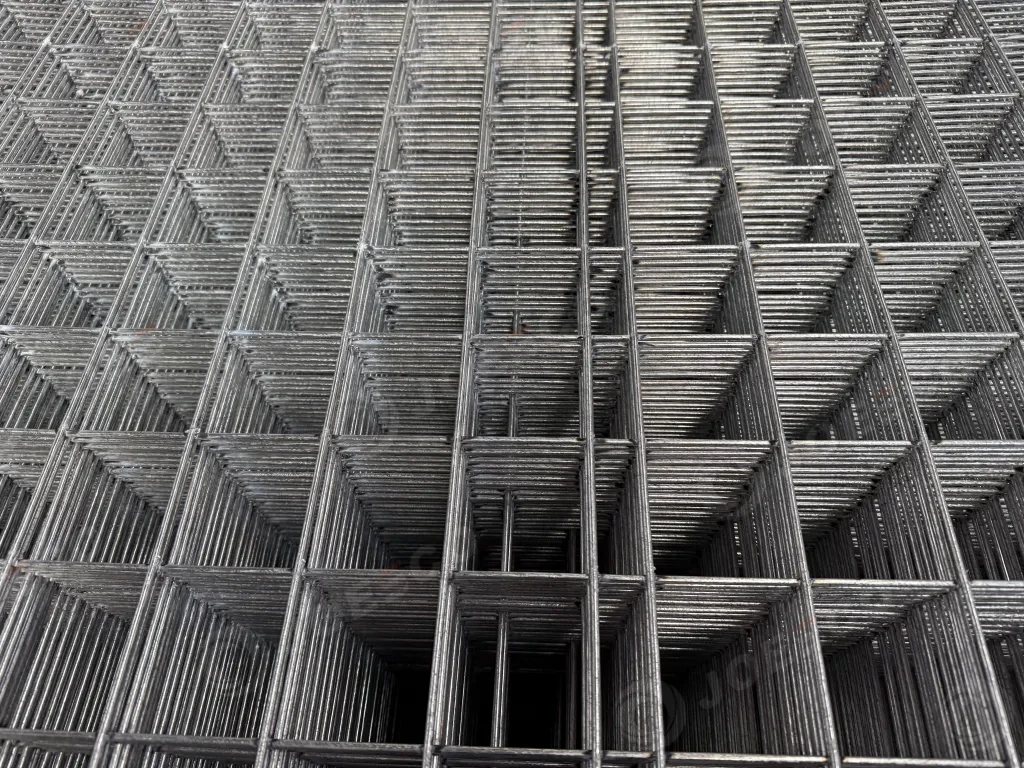
Appropriate wire diameter for strength requirements
Suitable mesh opening for safety needs
Galvanized coating for outdoor durability
Panel dimensions matching installation conditions
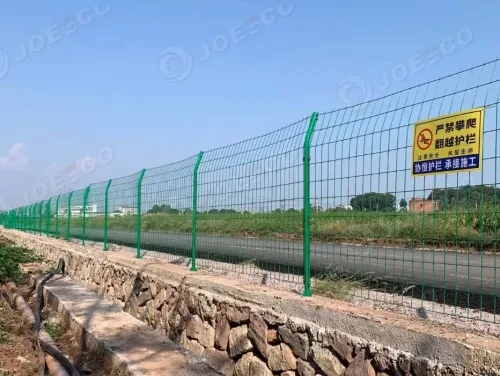
The rigid welded structure created a cleaner and stronger barrier. Workers could easily inspect areas through the mesh, while the fixed panel design reduced deformation problems.
The project manager later shared:
“The biggest improvement was not just the stronger fence. It was knowing we no longer needed constant repairs.”
This experience reflects a common trend among industrial buyers.
Companies are no longer choosing materials only based on upfront cost.They are looking for solutions that reduce future problems.